Down Syndrome Independence Development

Scaffolded independence development supporting communication, daily living confidence, and measurable adaptive functioning progression.
What We Offer

What This Service Focuses On

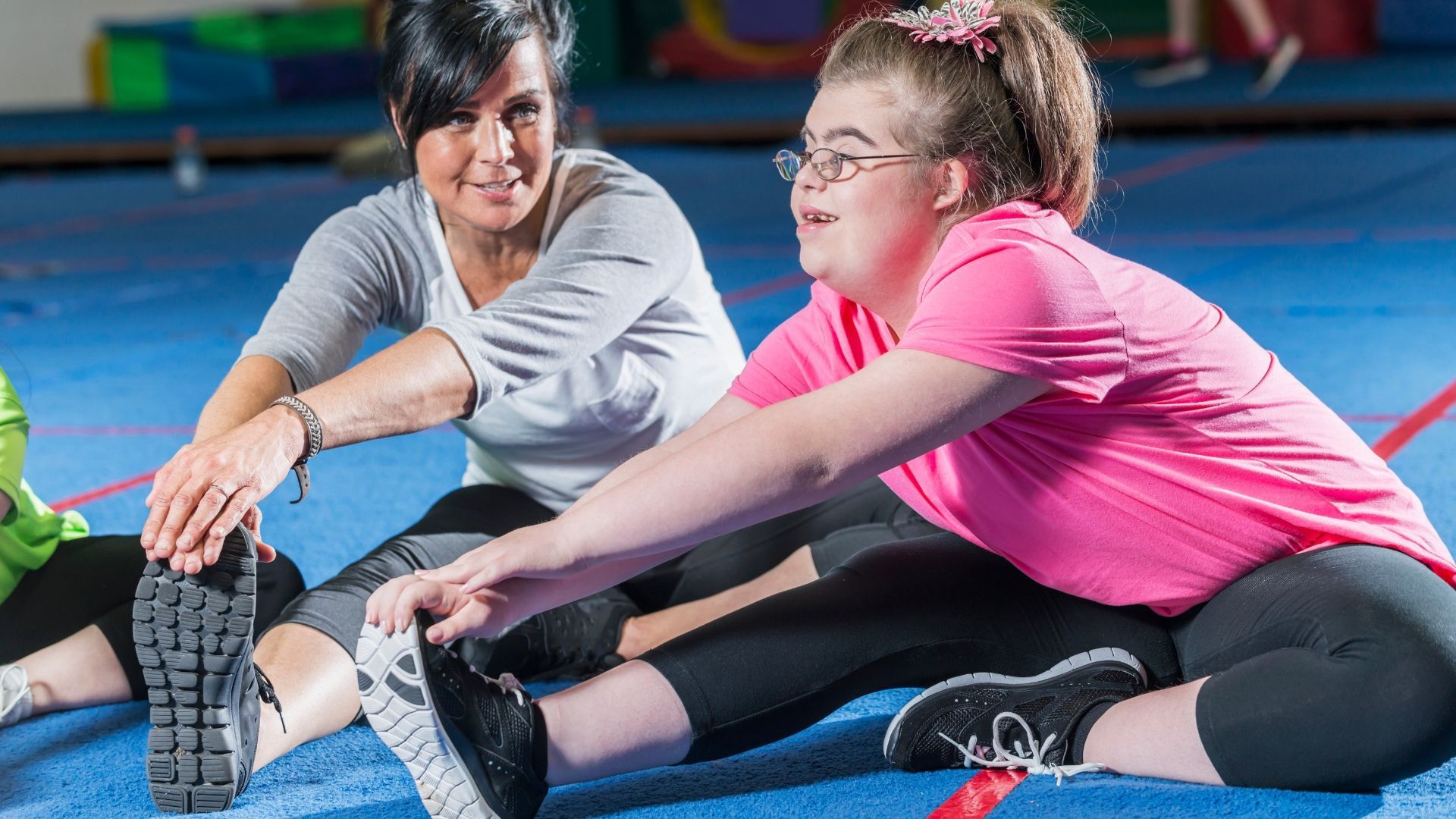
Together in Steps delivers structured, one-on-one capacity-building supports for adolescents and adults (17–50) living with Down syndrome and associated intellectual or developmental challenges.

Supports are grounded in structured teaching principles that apply repetition, guided practice, and measurable goal setting. Complex behavioural and functional skills are broken into manageable components, reinforced consistently, and adjusted based on observable progress. This structured approach strengthens communication, routine stability, adaptive functioning, and long-term independence across home and community environments.

What We Offer

What’s Included in Down Syndrome Capacity Building

Structured skill development designed for measurable independence growth.

1. Communication & Functional Expression Development

Communication skills are introduced through guided modelling and repetition, strengthening clarity, confidence, and the ability to express needs across multiple environments.

Daily personal routines are sequenced into teachable steps, reinforced consistently until reliability, self-initiation, and reduced reliance on prompts are achieved.
Household tasks are structured into predictable learning opportunities, strengthening sequencing ability, responsibility, adaptive functioning, and practical life management skills.
4. Executive Functioning & Decision-Making Skills
Planning, organisation, and everyday decision-making are developed through scaffolded progression and reinforced practice to improve confidence and independence.
Shared environments reinforce communication clarity, cooperation, responsibility, and routine consistency through structured modelling and measurable reinforcement systems.
Community activities provide structured opportunities to practise conversation, money handling, decision-making, and confidence-building within safe, predictable settings.
What We Offer

Why Families Choose Together in Steps for Down Syndrome Support

Structured learning that strengthens measurable independence.

1. Teaching-Based Capacity Building Approach

Supports follow a structured educational methodology that breaks complex life skills into manageable components reinforced through repetition and scaffolded progression.

2. Clear Independence-Focused Boundaries

Services are delivered as non-medical capacity building, strengthening functional ability rather than providing direct care or therapy.

3. One-on-One Individualised Support

Personalised sessions allow learning pace, communication style, and reinforcement strategies to align with individual developmental profiles.

4. Measurable Skill Progression

Goals are tracked through observable improvements in communication, adaptive functioning, executive control, and consistent daily participation.

5. Consistency Across Environments

Skills are practised and reinforced across home and community settings to promote transferable independence and long-term stability.

6. Systematic & Outcome-Driven Framework

Supports are systematic, participant-centred, and adjusted based on measurable outcomes to ensure continued independence development.
FAQ's

Frequently Asked Questions – Down Syndrome Capacity Building

1. Who is this Down syndrome support designed for?
This service supports adolescents and adults aged 17–50 living with Down syndrome and associated intellectual or developmental challenges.
The primary goal is strengthening independence, communication, and daily living skills through structured, measurable capacity-building systems.
No. Supports are delivered as structured capacity building focused on functional skill development, not therapy or medical treatment.
Daily routines are broken into manageable steps, reinforced through repetition and guided practice to build reliability and confidence.
Yes. Sessions are primarily individual to ensure structured progression and alignment with each participant’s learning pace.
No. Services focus on independence development and adaptive functioning rather than direct personal care support.
Communication is developed through structured modelling, repetition, and guided practice across home and community settings.
Yes. Household responsibilities are used as structured learning opportunities to strengthen sequencing, responsibility, and practical independence.
Yes. Community activities provide predictable environments to practise social interaction, decision-making, and confidence-building skills.
Progress is tracked through observable improvements in executive functioning, communication, and daily independence. Each participant works toward clearly identified goals, and sessions are documented to reflect progress, challenges, and next steps. Where required, written updates or summary reports can be provided to participants, families, or support coordinators to assist with plan reviews and ongoing goal setting.

Submit an Enquiry